Threatened species sharing New Zealand’s busiest aerodrome.
For most airports bird monitoring is all about keeping birds away from the aerodrome. Wildlife management strategies focus on minimising bird activity on the airfield; however, sometimes man-made changes to the environment inadvertently create a desirable habitat for wildlife.
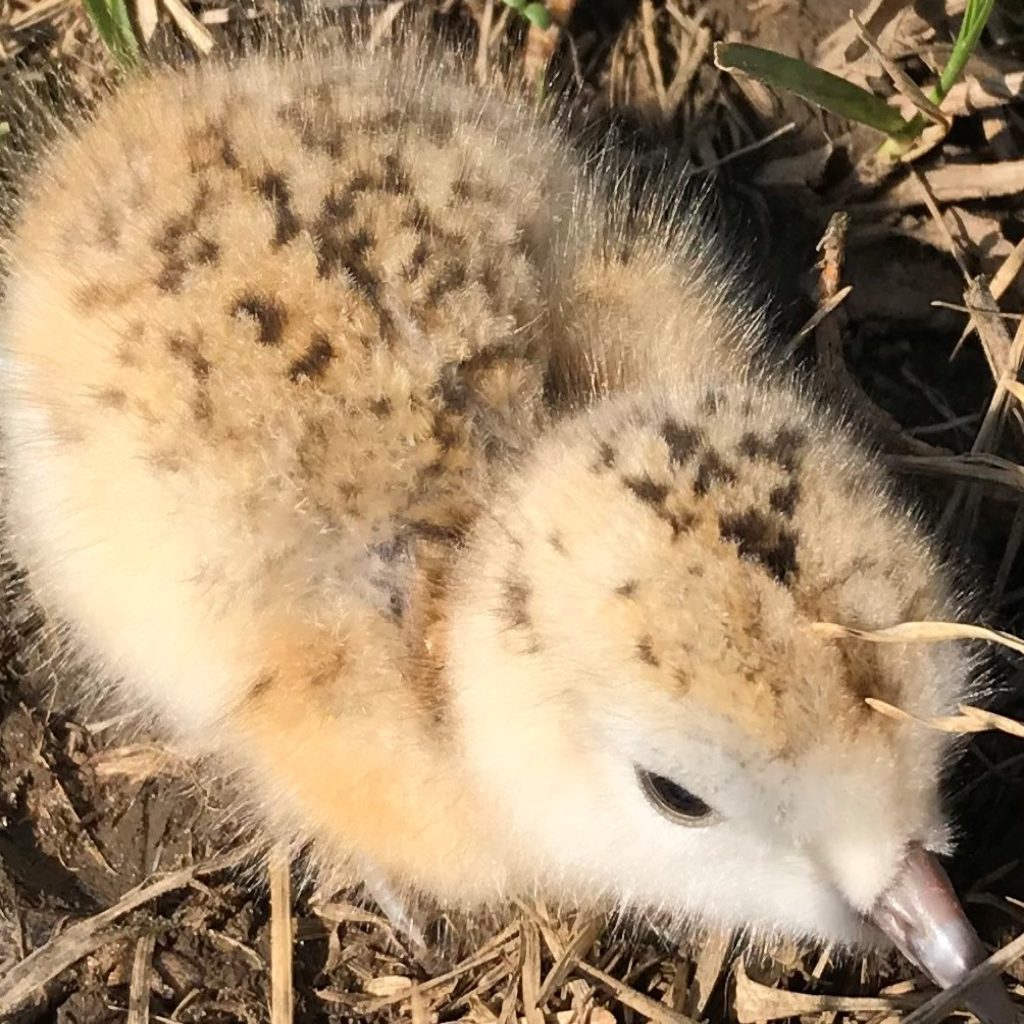
This is the case at Auckland Airport with the rare New Zealand dotterel making their home on the airfield during the summer months.
With a global population of around 2000, dotterels are one of the most threatened species of birds. But their numbers are showing signs of recovery largely due to the success of conservation protection projects.
So, what brings dotterels to Auckland Airport?
“The absence of predators and close proximity to food resources are the major advantages of nesting here,” says Wildlife Ranger Andy Scott. “The airfield perimeter fence does a great job of keeping cats, dogs and people away from their nests.”
It’s a fine spring day on the domestic apron and the brave little birds can be seen zipping around amongst the taxiways showing no fear of airplanes, some making nests in the most unlikely of places.
“They nest on the grass in front of the domestic apron, I think the pilots know they’re here, they’re a bit like our unofficial mascots.”
Despite some concern the birds may become a nuisance to aircraft, having the rare species on airport has had no negative effect on airfield operations.
“The rangers take great care to monitor the dotterel’s progress throughout the season” Scott says. “We record their locations using our ARCGIS reporting system and mark nests so that the mowers know exactly where they are.”
The Wildlife Rangers also monitor bird activity off airport, working in cooperation with Ambury Park and Ornithological Society of New Zealand to build a better understanding of bird movements in the Manukau harbour.
36 dotterels made their home on airport last summer, a significant population considering such a small number exist worldwide.
“I do think its important, and its our responsibility to recognise: it’s the niche environment we have created that’s helped them thrive.”
“It’s nice that our team can do something positive by contributing to the success of one of New Zealand’s at-risk species.”